Join Lori Waters as she discusses the Artemis program and the challenges ahead for permanent habitation on the lunar surface.
[00:00:13] We haven’t been back to the moon in a really long time; the focus has been on low Earth orbit. But now we are going back with the Artemis program—an international collaboration working with international partners and the commercial sector.
[00:00:33] It is about discovery, economic opportunity, and inspiration for the future. The moon is the proving ground to take us from the moon to Mars. It only takes about three days to ferry back and forth, so in theory, a rescue mission could provide pretty immediate assistance.
[00:01:21] We want to look at water resources and mining. We’ve discovered water ice locked in the deep, dark craters of the moon, particularly at the South Pole. Water is H2O (hydrogen and oxygen), and that is rocket fuel. Ultimately, we may have a fueling station right there on the moon.
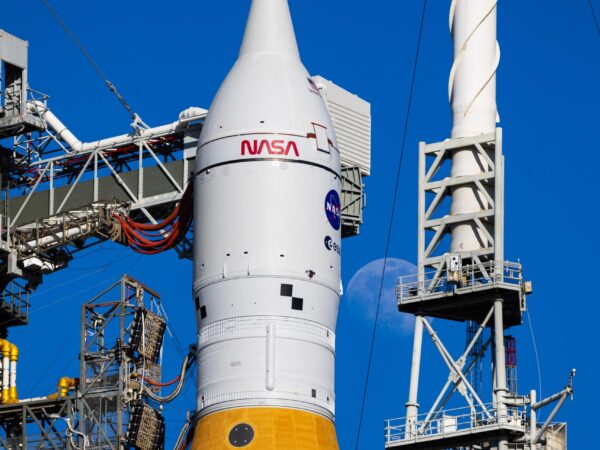
[00:02:11] Artemis I will be a test mission for both the SLS rocket (Space Launch System) and the Orion vehicle. This will ultimately be the spacecraft that humans take to the moon.
[00:02:54] During the landing mission, the first woman and first person of color will walk on the moon. We are also planning for the “Gateway” around the moon—a permanent point we can take off and land from.
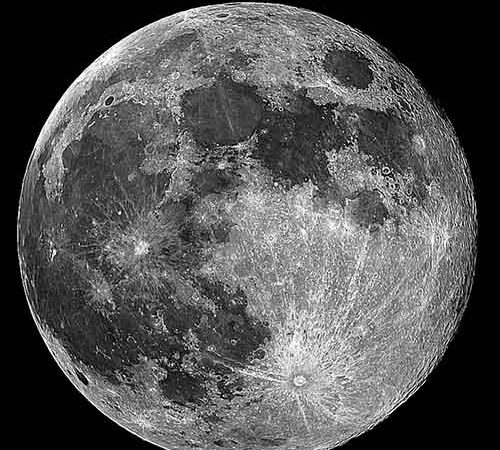
[00:05:01] The moon is tidally locked, so a lunar day is about 28 Earth days. You spend 14 days in light and 14 days in dark. This creates massive energy problems; we have to figure out how to operate using solar energy when we don’t have access to the sun for two weeks.
[00:07:09] There is no atmosphere, and the regolith (lunar soil) is like shards of glass. Because there’s no weathering on the moon, there’s no way to smooth those edges. It’s sharp, and it has no microorganisms—we have to bring those with us to grow anything.
[00:08:07] Finally, we have to deal with temperature swings from 127°C to -173°C. We need creative engineering solutions for thermal protection and radiation defense so we can live and operate sustainably on the moon.