Earth Observation: Smart Satellites and AI
Dr. Andrew Barton from SmartSat CRC discusses the growing field of Earth Observation and how AI is helping us protect our environment and predict natural disasters.
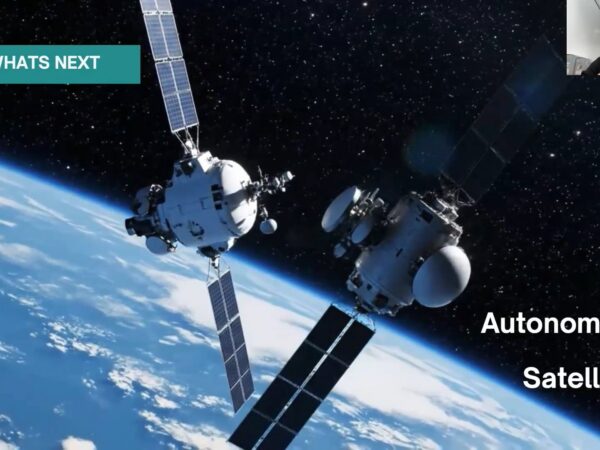
[00:00:10] Cooperative Research Centres (CRCs) work across many technologies, but SmartSat CRC focuses specifically on “smart satellites.” By using Artificial Intelligence and Machine Learning, these satellites can process data in space to provide better services for people on Earth.
What is Earth Observation?
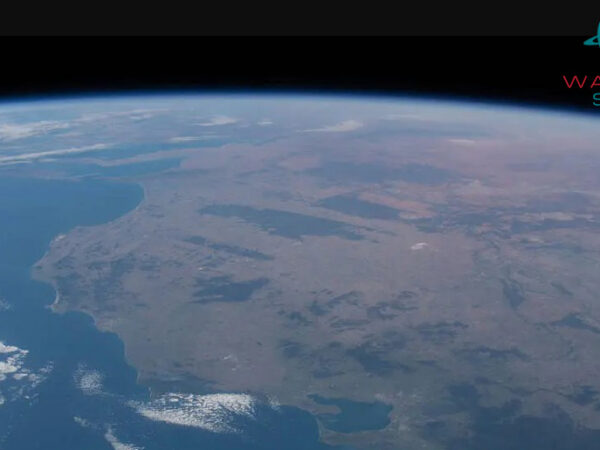
[00:01:02] Simply put, Earth Observation (EO) is when satellites look back down at our planet. An example is the South Australian-funded satellite Kanyini—a Ghana word for “connectedness.” Kanyini orbits at a few hundred kilometers altitude, traveling at seven kilometers per second to map the Earth using specialized instruments.
Three Key Uses for EO Satellites
- Natural Disasters: Satellites provide a vital vantage point for monitoring fires, floods, earthquakes, and volcanoes.
- Environmental Monitoring: This includes tracking vegetation health, biodiversity, greenhouse gas emissions, and illegal activities like logging or fishing.
- Agriculture and Aquaculture: Monitoring crop health on land and the growth of fish or kelp in our oceans.
Seeing Through the Smoke
[00:03:51] During the 2020 Australian bushfires, the Sentinel-2 satellite captured visible light images showing complex smoke plumes and fire clouds. However, visible light can be obscured by clouds. By using infrared satellites like Japan’s Himawari-8, scientists can see through smoke and clouds to detect “hotspots” on the ground in real-time.
Tracking Carbon and Sea Ice with AI
[00:07:25] Monitoring methane (CH4) and carbon emissions is critical for managing global warming. Refrigerator-sized satellites from companies like GHGSat use artificial coloring to overlay emission plumes onto standard images, helping identify leaks from factories or pipelines.
[00:08:11] In Antarctica, small “CubeSats” the size of a loaf of bread use GNSS Reflectometry to measure sea ice. Because this data is complex, researchers use AI to “learn” from thousands of observations, allowing them to predict when large chunks of ice might break off or threaten shipping lanes.
Advice for Future Aerospace Engineers
[00:12:08] Dr. Barton originally wanted to be an astronaut, but he forged a successful career in aerospace engineering instead. His advice to students is to follow your passion and study math and science hard. “The space industry is very diverse,” he says. “We need software developers, project managers, and communication experts—not just engineers.”
Home » Articles »